Health Benefits of Eating Seeds Daily
Tiny in size but extraordinary in nutrition, seeds are among the most powerful natural foods you can add to your diet. Every seed is designed to grow into a complete plant, which is why it naturally stores an impressive combination of protein, healthy fats, fiber, vitamins, minerals, and antioxidants.
Unlike many processed snacks, seeds provide long-lasting energy, support overall health, and fit easily into almost any meal. Whether your goal is better digestion, improved heart health, stronger immunity, healthy skin, weight management, or simply eating more nutritious foods, a handful of seeds each day can make a noticeable difference.
Let’s explore the unique benefits of the world’s most popular edible seeds and the best ways to enjoy them.
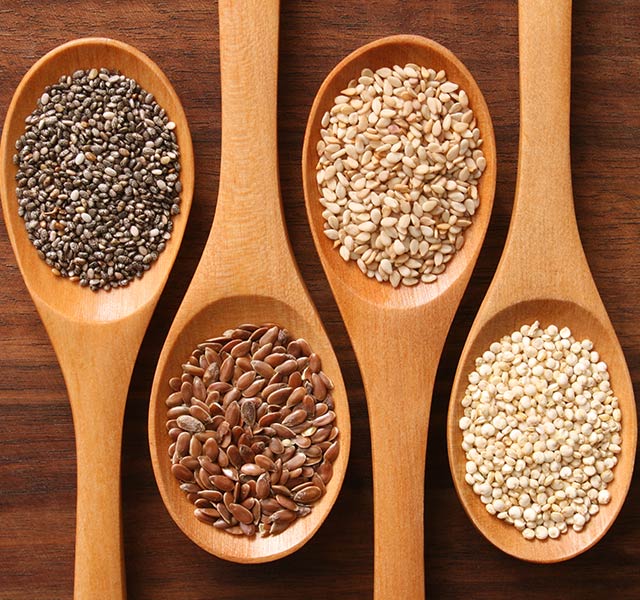
1. Chia Seeds
Why are chia seeds special?
Chia seeds can absorb up to 10-12 times their weight in water, forming a gel-like coating. This slows digestion, helps you feel full longer, and supports hydration.
Health Benefits
- Rich source of plant-based Omega-3 fatty acids
- High in dietary fiber for better digestion
- Supports heart health
- Helps manage blood sugar levels
- Keeps you full for longer, supporting healthy weight management
- Strengthens bones with calcium, phosphorus, and magnesium
- Provides steady energy throughout the day
Recommended Daily Intake
1–2 tablespoons (15-25g)
Best Ways to Eat
- Soak overnight and add to water
- Mix into smoothies
- Add to yogurt
- Sprinkle over oats
- Make chia pudding
- Add to homemade energy bars
2. Flax Seeds
Why are flax seeds special?
Flax seeds are one of the richest natural plant sources of Omega-3 fatty acids. Ground flaxseed is generally easier for the body to digest than whole flaxseed.
Health Benefits
- Supports heart health
- Rich in lignans, natural antioxidants
- Helps improve digestion
- Supports healthy cholesterol levels
- May reduce inflammation
- Promotes healthy skin and hair
- Helps keep you satisfied between meals
Recommended Daily Intake
1 tablespoon (10-15g), preferably ground
Best Ways to Eat
- Add to smoothies
- Sprinkle on salads
- Mix into roti or paratha dough
- Stir into curd
- Add to oats
- Blend into homemade flour mixes
3. Pumpkin Seeds
Why are pumpkin seeds special?
Pumpkin seeds are naturally rich in magnesium and zinc—two minerals many people don’t get enough of.
Health Benefits
- Supports immune function
- Rich in magnesium for muscle and nerve health
- Helps maintain healthy bones
- Good source of plant protein
- Supports heart health
- Contains antioxidants that help protect cells
- Provides iron and zinc for overall wellness
Recommended Daily Intake
20-30g (about one handful)
Best Ways to Eat
- Roast lightly and enjoy as a snack
- Add to salads
- Sprinkle over soups
- Mix into trail mixes
- Add to granola
4. Sunflower Seeds
Why are sunflower seeds special?
Sunflower seeds are an excellent source of Vitamin E, a powerful antioxidant that helps protect cells from damage.
Health Benefits
- Supports healthy skin
- Promotes hair health
- Good source of Vitamin E
- Supports heart health
- Provides healthy fats
- Rich in selenium
- Helps maintain energy levels
Recommended Daily Intake
20-30g
Best Ways to Eat
- Eat roasted
- Add to salads
- Sprinkle over sandwiches
- Mix into breakfast bowls
- Add to homemade snack mixes
5. Sesame Seeds
Why are sesame seeds special?
These tiny seeds are naturally rich in calcium and iron, making them a valuable addition to vegetarian diets.
Health Benefits
- Supports strong bones
- Rich in calcium
- Good source of iron
- Supports healthy cholesterol levels
- Contains powerful antioxidants
- Promotes healthy skin
- Supports hormone balance
Recommended Daily Intake
1-2 tablespoons (10-15g)
Best Ways to Eat
- Sprinkle on salads
- Add to stir-fried vegetables
- Use in chutneys
- Mix into laddoos
- Add to breads and rotis
6. Watermelon Seeds
Why are watermelon seeds special?
Often thrown away, watermelon seeds are surprisingly nutritious and rich in protein, magnesium, and healthy fats.
Health Benefits
- Rich in protein
- Supports muscle health
- Helps maintain energy
- Good source of magnesium
- Supports heart function
- Rich in healthy fats
- Provides iron and zinc
Recommended Daily Intake
15-20g
Best Ways to Eat
- Roast lightly
- Add to trail mixes
- Sprinkle over salads
- Mix into breakfast cereals
Frequently Asked Questions
1. Can I eat seeds every day?
Yes. For most healthy adults, moderate daily consumption of a variety of edible seeds can be part of a balanced diet.
2. Can seeds help with weight management?
Because seeds are rich in protein, healthy fats, and fiber, they can help you feel full for longer when eaten in appropriate portions as part of an overall healthy eating pattern.
3. Should I soak seeds before eating?
Chia seeds are commonly soaked before consumption. Flax seeds are often eaten ground. Pumpkin, sunflower, sesame, and watermelon seeds can generally be eaten roasted or raw (if food-safe and properly cleaned).
4. Which seed is the healthiest?
There isn’t a single “best” seed. Each type offers different nutrients and health benefits, so eating a variety is the most beneficial approach.
website- www.healthyum.in
store- Agrawal Dryfruits, Marketyard, Pune
-
 February 19th, 2026
 -
 January 16th, 2026